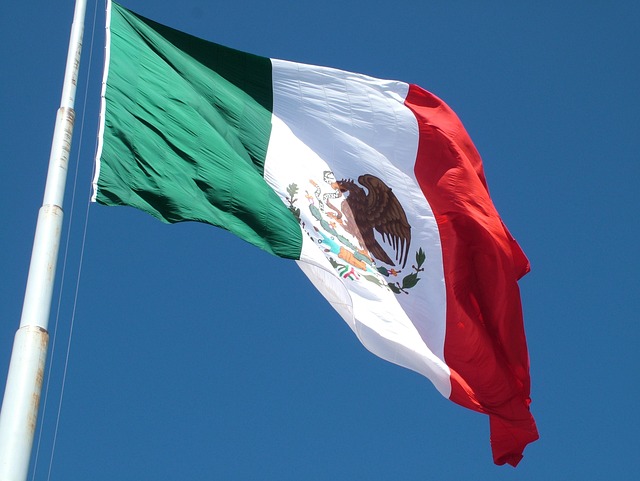
Mexico returns to the Winter Olympic stage in 2026 as one of the most distinctive non-traditional winter sport nations. Without natural snow-based sporting infrastructure at home, Mexico’s Winter Olympic presence is built through international training, dual-nationality athletes, and a small but determined alpine skiing program. The 2026 Games continue a story that is less about geography and more about opportunity, access, and global sporting pathways.
Mexico’s Winter Olympic participation reflects how modern sport allows athletes to develop beyond their country’s climate, connecting national identity with international training systems.
Alpine Skiing as Mexico’s Primary Focus
For Mexico, alpine skiing remains the cornerstone of Winter Olympic participation. While the country does not have large-scale ski resorts comparable to alpine nations, Mexican skiers typically develop through training abroad, particularly in the United States, Europe, or Canada. This international pathway allows athletes to gain technical instruction and race experience that would be difficult to obtain domestically.
Heading into 2026, Mexican skiers are expected to focus on technical disciplines such as slalom and giant slalom. These events reward precision, rhythm, and course management, areas where steady improvement through international competition can lead to stronger Olympic performances.
Qualification Through International Competition
Mexican winter athletes rely heavily on the International Ski Federation (FIS) race calendar to qualify for the Olympic Games. Competing in North American and European circuits provides the ranking points needed to meet Olympic entry standards. The qualification period leading into 2026 is critical, as consistent race finishes and improved technical execution directly influence eligibility.
For Mexico, the qualification journey itself is a major part of the Olympic story. Each race builds familiarity with different snow conditions, course settings, and competition levels, helping athletes prepare for the demands of Olympic courses.
Developing Athletes Outside Traditional Systems
One of the defining features of Mexico’s Winter Olympic presence is the development of athletes through international systems. Many Mexican winter athletes train abroad from a young age, often balancing dual cultural identities while competing under the Mexican flag.
This global pathway allows Mexico to maintain representation at the Winter Olympics despite limited domestic winter sport infrastructure. It also highlights the increasingly international nature of athlete development, where training environments are not always tied to national geography.
Representation and Visibility for Mexican Winter Sport
Mexico’s participation in the Winter Olympics carries symbolic weight. Seeing Mexican athletes compete in alpine skiing challenges traditional ideas about which countries belong in winter sport. This representation broadens the image of Mexican sport beyond its well-known strengths in football, boxing, and athletics.
Olympic appearances often generate renewed interest in winter sports among Mexican audiences and diaspora communities. Even small delegations can inspire curiosity and encourage youth participation in international training opportunities.
Measuring Progress in 2026
For Mexico, success at the 2026 Winter Olympic Games will be defined by performance progression rather than medal contention. Key goals include strong, completed runs, improved race consistency, and reduced time gaps compared to previous Olympic appearances.
Each Olympic cycle strengthens Mexico’s experience base in winter competition. The 2026 Games serve as another opportunity to refine preparation strategies, gain exposure at the highest level, and continue building Mexico’s place in the global winter sports community.