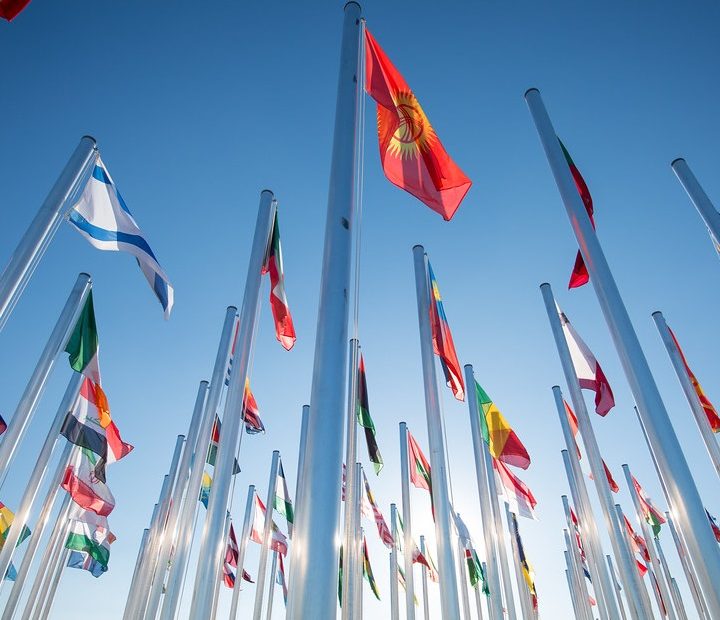
The Olympic Games are not only the world’s biggest sporting event, they are one of the most powerful stages for national identity. Every four years at the Summer and Winter Olympics, athletes compete as individuals, but they are seen as representatives of entire nations. Flags, anthems, and medal counts turn sport into a global expression of culture, pride, and belonging.
For many countries, especially smaller nations, the Olympics offer rare worldwide visibility. A single medal can introduce millions of viewers to a country’s flag, history, and people. Olympic success can reshape how a nation is perceived internationally, sometimes more effectively than diplomacy or politics. When an athlete wins, the moment becomes part of national memory, replayed for years as a symbol of achievement and unity.
How Olympic Success Shapes National Pride
Olympic medals often become part of a country’s identity story. Certain nations are associated with excellence in particular sports, and those patterns build long-term reputations. Countries known for winter sports dominance, long-distance running, gymnastics, or team sports carry expectations into every Games. Athletes in those programs feel the weight of history, as their performances are linked to national pride.
Medal tables, while unofficial in Olympic rules, play a major role in how nations compare themselves. Fans celebrate strong Olympic performances as signs of national strength, organization, and talent development. Governments sometimes invest heavily in sport because international success can improve morale at home and prestige abroad. The Olympics become a peaceful way to compete for recognition on the world stage.
Representation, Diversity, and Modern Identity
The connection between the Olympics and national identity has become more complex in recent decades. Many athletes have multicultural backgrounds, dual citizenship, or train in countries different from where they compete. Their stories reflect modern migration and global society, showing that national identity is no longer simple or uniform.
When these athletes succeed, they expand the idea of who belongs to a nation. Olympic teams often become powerful symbols of diversity, demonstrating how different backgrounds can unite under one flag. The Games highlight both the traditions of nations and the evolving nature of identity in a connected world.
The Olympics as a Global Stage for National Stories
Opening ceremonies, uniforms, and team traditions allow countries to present themselves culturally as well as athletically. Each nation uses the Olympics to share symbols, music, and design that reflect its heritage. These moments are watched by billions, turning sport into a form of cultural storytelling.
At the same time, the Olympic spirit encourages respect between nations. Athletes compete fiercely but often show friendship and sportsmanship afterward. These interactions remind viewers that national pride does not have to mean division. The Olympics create a rare space where countries can celebrate their identities while sharing a common global event.
Why National Identity Still Matters at the Olympic Games
Even in an era of professional leagues and global media, the Olympics remain special because athletes compete for their countries. The emotional power of hearing a national anthem after a medal ceremony is unmatched in sport. It connects personal achievement to collective identity.
The Olympic Games continue to shape how nations see themselves and how they are seen by the world. Through sport, countries express their values, ambitions, and resilience. That is why the relationship between the Olympics and national identity remains one of the most compelling aspects of the Games.