Norway’s Winter Olympic machine is not the result of one golden generation or one unusually gifted athlete. It is the product of a country whose geography, sports culture, training systems, and national identity all point toward winter competition. In the Winter Games, Norway has turned skiing, skating, biathlon, and Nordic combined into something larger than medal events. They are part of how the country presents itself to the world. That is why Norway’s success matters: it shows how Olympic dominance can come not from size, but from alignment. Few nations have matched their environment, institutions, and sporting imagination as effectively as Norway has in the Winter Olympics.
A Country Built for Winter Sport
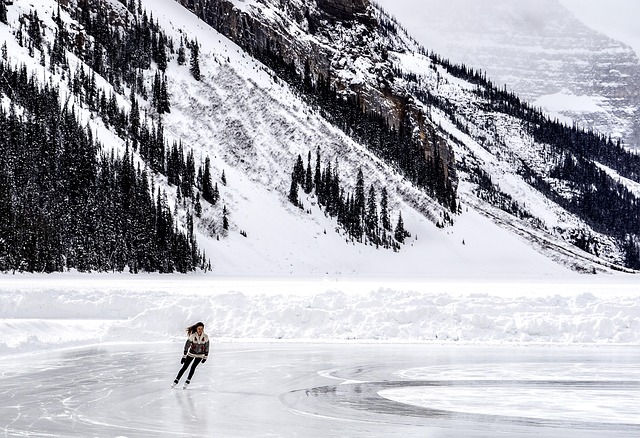
Norway’s Olympic success starts with an obvious advantage, but not a simple one. Snow, mountains, cold weather, and long winters matter, but geography alone does not create champions. Plenty of cold countries do not become Olympic machines. Norway turned its winter landscape into a sporting culture.
Cross-country skiing is the clearest example. In Norway, skiing is not only an elite sport; it is woven into childhood, recreation, schools, clubs, and national identity. That gives Norway a wide base before Olympic selection ever begins. Children grow up with access to trails and a culture that treats endurance on snow as normal, not specialized. By the time the best athletes rise through the system, they are not learning the sport from scratch. They are refining something familiar.
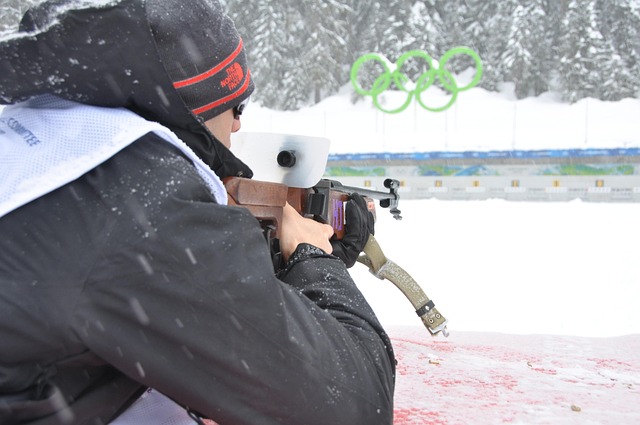
That foundation spreads across the Winter Olympic program. Norway has historically been strong in cross-country skiing, speed skating, biathlon, Nordic combined, ski jumping, and alpine skiing. The result is not a narrow medal strategy built around one event. It is a broad winter-sport ecosystem. When one discipline has a quieter Games, another can carry the medal count.
That is the real strength of Norway’s model. The country does not need one perfect star to appear every four years. It has enough depth that Olympic success can come from multiple directions.
Norway’s Winter Olympic Machine Became a Medal Standard
Norway’s Winter Olympic identity sharpened in front of the world at Lillehammer in 1994. Hosting the Games gave Norway a chance to present winter sport as part of national life, not just Olympic competition. Norwegian athletes won 26 medals at Lillehammer, and the Games helped set the stage for the country’s modern period of winter dominance.
That dominance has only grown more visible in the 21st century. At Beijing 2022, Norway topped the medal table with 16 gold medals and 37 total medals. At Milano Cortina 2026, Norway raised that standard again, leading the table with 18 gold medals and 41 total medals. Those numbers matter because they show continuity. Norway did not simply peak once. It built a system capable of renewing itself from one Olympic cycle to the next.
The names help explain the scale. Marit Bjørgen became one of the greatest Winter Olympians ever through cross-country skiing. Ole Einar Bjørndalen helped define biathlon’s Olympic profile. Bjørn Dæhlie made Norwegian cross-country dominance a global reference point. Johannes Høsflot Klæbo carried that tradition into the modern era, turning technical precision, sprint speed, and endurance into another chapter of Norwegian control.
But Norway’s machine is not only about famous champions. The deeper story is the pipeline behind them. Clubs, coaching, national expectations, and event-specific expertise keep producing athletes who understand the demands of Olympic winter sport. Norway’s best competitors do not arrive as isolated miracles. They arrive from a culture designed to recognize and develop them.
Why Norway’s Winter Olympic Legacy Still Matters
Norway’s Winter Olympic machine matters because it challenges the usual way people think about Olympic power. In the Summer Games, medal tables often reward large populations, enormous budgets, and deep talent pools across many sports. In the Winter Games, Norway shows another model: a smaller country can dominate when its culture, climate, and sporting institutions are unusually focused.
That does not make Norwegian success automatic. Olympic winter sport still demands funding, coaching, technology, athlete health, and the ability to perform under pressure. What makes Norway different is that its advantages reinforce one another. Winter sport is visible. Participation is broad. National memory is strong. Champions become part of a lineage, and the next generation grows up knowing that the path already exists.
The legacy is not just medal volume. Norway has helped define what excellence looks like in Nordic skiing, biathlon, speed skating, and combined winter disciplines. Its athletes have made endurance, technical control, and cold-weather mastery central to Olympic storytelling.
Norway’s Winter Olympic machine endures because it is bigger than any one Games. It is a national system built over decades, renewed through culture, and measured every four years against the world. For Norway, the Winter Olympics are not a temporary stage. They are one of the clearest places where the country’s sporting identity becomes visible.